


Recycled PP vs. rPET: Material Best Fits U.S. Packaging Sustainability Goals


Since sustainability becomes central to U.S. packaging strategy, two materials consistently lead the conversation -Recycled Polypropylene (rPP) and Recycled Polyethylene Terephthalate (rPET). Both are high -performance, recyclable plastics that help brands meet recycled-content mandates and reduce carbon footprints.
But which one aligns best with your packaging and sustainability goals? This guide compares rPP vs. rPET across performance, recycling, compliance, and environmental impact to help you make informed choices.

- Understandingthe Materials
What is rPP (Recycled Polypropylene)?
rPP is produced from recycled polypropylene, a durable and heat-resistant thermoplastic commonly used in closures, caps, jars, and containers. It’s lightweight, versatile, and suitable for a variety of packaging formats across food, personal care, and household sectors.
Because rPP maintains many of the mechanical properties of virgin polypropylene, it’s ideal for reuse in rigid packaging – offering impact resistance, temperature tolerance, and cost efficiency.
What is rPET (Recycled Polyethylene Terephthalate)?
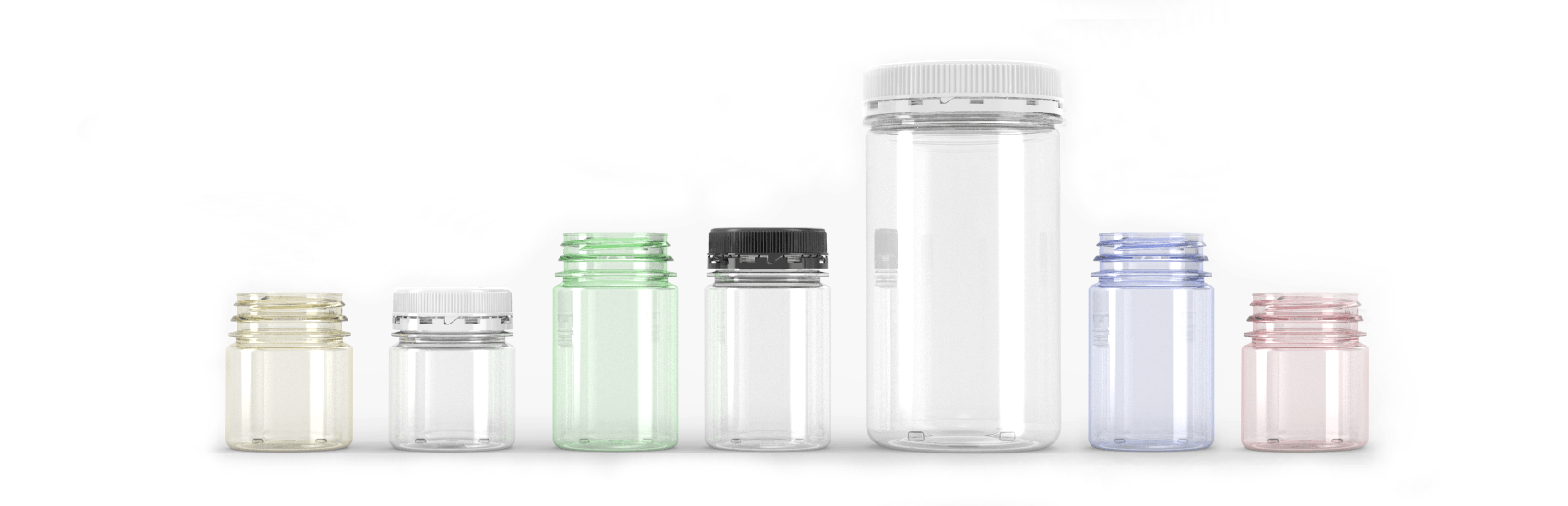
rPET is derived from recycled PET materials, such as beverage bottles and food containers. It’s best known for its clarity, gloss, and barrier performance, making it the go-to choice for transparent packaging.
rPET’s visual appeal and strength have made it dominant in beverage and personal care packaging, particularly where premium shelf presence is key.
- PerformanceComparison
When it comes to physical performance, both materials offer unique strengths.
| Property | rPP | rPET |
| Clarity | Opaque to translucent | Crystal clear |
| Impact Strength | Excellent | High |
| Heat Resistance | Up to 120°C | Up to 70°C |
| Barrier Properties | Good moisture barrier | Excellent gas barrier |
| Recyclability | Widely recyclable (#5) | Widely recyclable (#1) |
| Density | Lightweight (0.9 g/cm³) | Denser (1.3 g/cm³) |
Key takeaway:
- Choose rPP for applications needing toughness, flexibility, and temperature tolerance.
- Choose rPET for products prioritizing clarity and barrier protection.
- Environmental and Regulatory Considerations
With new packaging legislation across the U.S., both rPP and rPET are being prioritized in circular packaging strategies.
- Recycled Content Mandates:
States such as California, Washington, and New Jersey now require a minimum percentage of post-consumer recycled content in plastic packaging. Both rPP and rPET meet these mandates when sourced through certified recyclers.
- Carbon Footprint:
Studies show that using rPET can reduce carbon emissions by up to 70% compared to virgin PET, while rPP offers a 40-50% reduction versus virgin PP. The exact figures depend on collection efficiency, transportation, and energy used in reprocessing.
- End-of-Life Circularity:
Both materials support circularity, but rPET currently benefits from stronger collection infrastructure due to beverage bottle recycling programs. However, rPP recycling is expanding rapidly, particularly for rigid packaging, caps, and closures.

- MarketApplications
rPP Packaging
- Food storage and condiment jars
- Household cleaning containers
- Caps, lids, and closures
- Refillable and reusable packaging
- Industrial pails and bins
rPET Packaging
- Beverage and water bottles
- Transparent personal care containers
- Food trays and clamshells
- Cosmetics and pharmaceutical bottles
While rPET dominates clear packaging, rPP is emerging as the preferred material for durable, reusable, or heat-tolerant designs.
Many leading brands now combine the two materials strategically – using rPET for transparency and shelf appeal, and rPP for caps, closures, and structural components to achieve both sustainability and performance.
- Which is Better for U.S. Sustainability Goals?
The short answer: both – depending on your packaging needs.
If your priority is circularity and visual appeal, rPET may offer an edge. It’s supported by strong recycling systems and delivers a premium, glass-like look.
If your focus is on material reuse, lightweight design, and heat resistance, rPP provides unmatched versatility and efficiency – especially in multi-use or refillable systems.
In fact, as the U.S. expands mechanical and chemical recycling capacity, recycled polypropylene is becoming a key part of long-term packaging sustainability frameworks.
- Moving Forward with Sustainable Plastic Packaging
The future of packaging in the U.S. lies not in choosing one material over another, but in optimizing each material’s strengths. Combining rPP and rPET across product lines allows brands to:
- Meet diverse performance demands
- Satisfy regional recycled-content requirements
- Improve life-cycle impacts
- Strengthen consumer trust in sustainable packaging
As the packaging landscape evolves, the companies that thrive will be those that design with purpose – balancing innovation, compliance, and environmental integrity.
At Plascene, we help brands transition to sustainable packaging by offering advanced solutions in recycled PP, rPET, and other eco-friendly materials. Our goal is to make sustainability practical, scalable, and visually compelling for every industry.
Because a circular future doesn’t start with one material – it starts with one commitment.


PET Round Finger Grip Jars: Built for Confident Handling (64 – 256 oz)

PET Pinch Grip Jars: The Solution for Superior Bulk Packaging (32 oz – 128 oz)
