


American Packaging Summit 2026 Recap: What We Heard, What We Learned, and Why Vietnamese Espresso Martinis Got the Conversation Going


The American Packaging Summit 2026 closed this week. We left with more than business cards. Real problems, real curiosity, and the kind of generosity that doesn’t fit on a brochure — here’s what we took home from our first APS, and why a Vietnamese Espresso Martini turned out to be the right call.
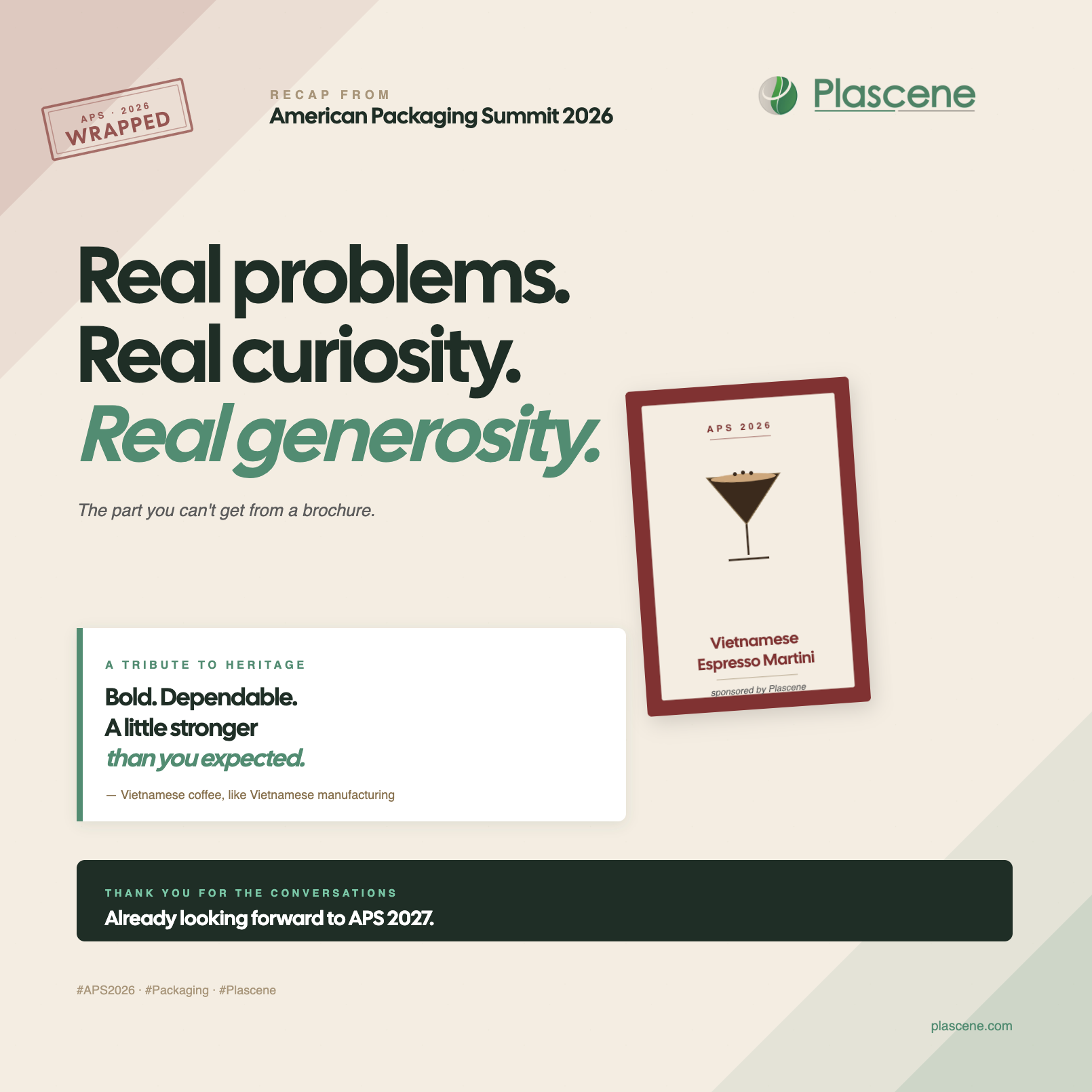
The American Packaging Summit is one of the few moments each year when the packaging industry stops competing for attention online and starts actually talking. Booths. Receptions. Hallway conversations. The whole reason to be there is the part that can’t be replicated in a webinar — and looking back on APS 2026, we’re already planning to come back next year.
For Plascene, this was our debut at APS. New booth, new conversations, new chance to put real faces to the inquiries and supply chain questions we field every week from brands across the US. What we walked away with shaped how we think about the rest of 2026.
Why We Picked Vietnamese Espresso Martini
Networking drinks receptions usually default to safe choices. We picked something different.
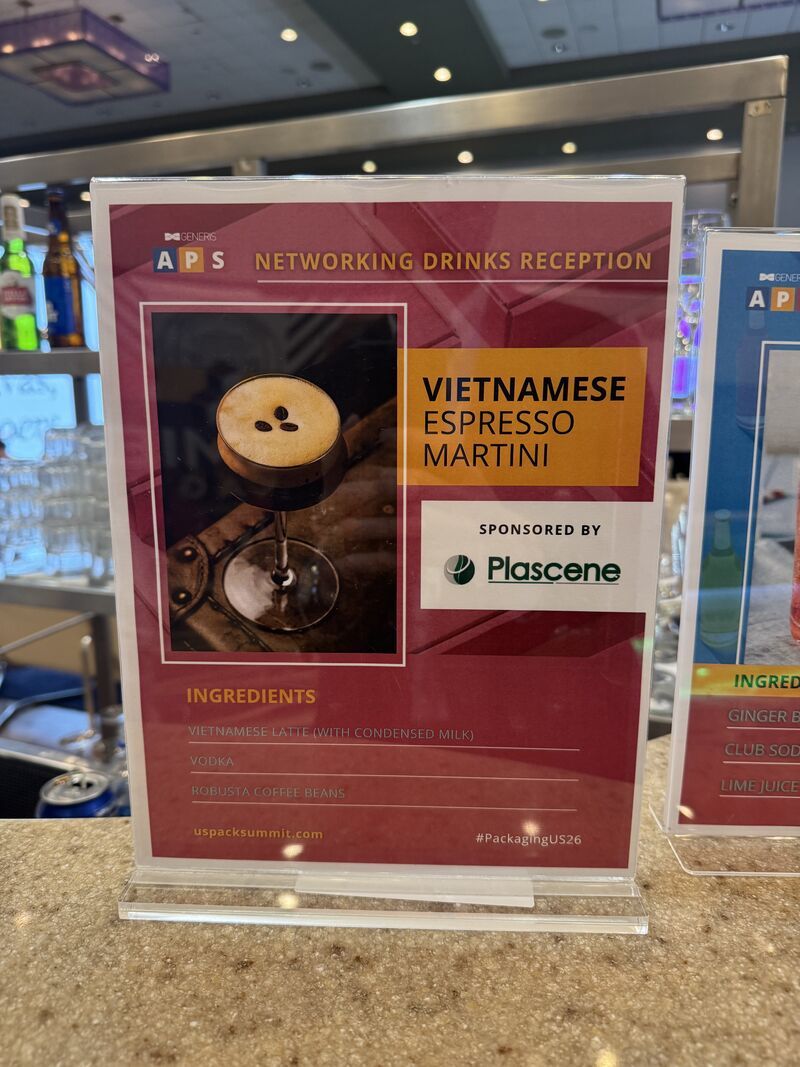
The drink at our reception was a Vietnamese Espresso Martini — a small tribute to our heritage and a deliberate signal about how we operate. Vietnamese coffee has a reputation that fits our manufacturing reality: bold, dependable, and a little stronger than you expected.
That’s not a marketing line. It’s how the Plascene operation actually works. Our rPET supply chain runs through Vietnam — specifically through DUYTAN Recycling, the country’s leading plastic recycler and the first to commercialize bottle-to-bottle recycling at scale. The US manufacturing hub in Oxnard, California is where that material becomes shelf-ready packaging for American brands. The combination is what gives us the lead-time stability and recycled content consistency that most US packaging buyers can’t get from a purely domestic vendor network.
The Vietnamese Espresso Martini was a way to acknowledge that openly — not bury it.
What the Conversations Reminded Us
We came to APS for the conversations, and the conversations delivered.
Brand operators stopped by with real problems — sourcing constraints, retailer sustainability deadlines, frustration with current suppliers who promise “vertical integration” and then quietly miss commitments when resin markets shift. Conversations like that don’t happen in a content marketing funnel. They happen when you’re standing in front of someone, holding a sample, and the person across from you decides to be honest about what’s not working.
What surprised us most wasn’t the volume of conversations — it was the generosity in them.
People shared what they’re working on. Talked through real challenges. Offered perspective on what they wish more suppliers understood. That’s the part of an industry summit worth the travel, the booth setup, and the late-night logistics.
You can’t get any of it from a brochure.
What Plascene Brings to the Conversation
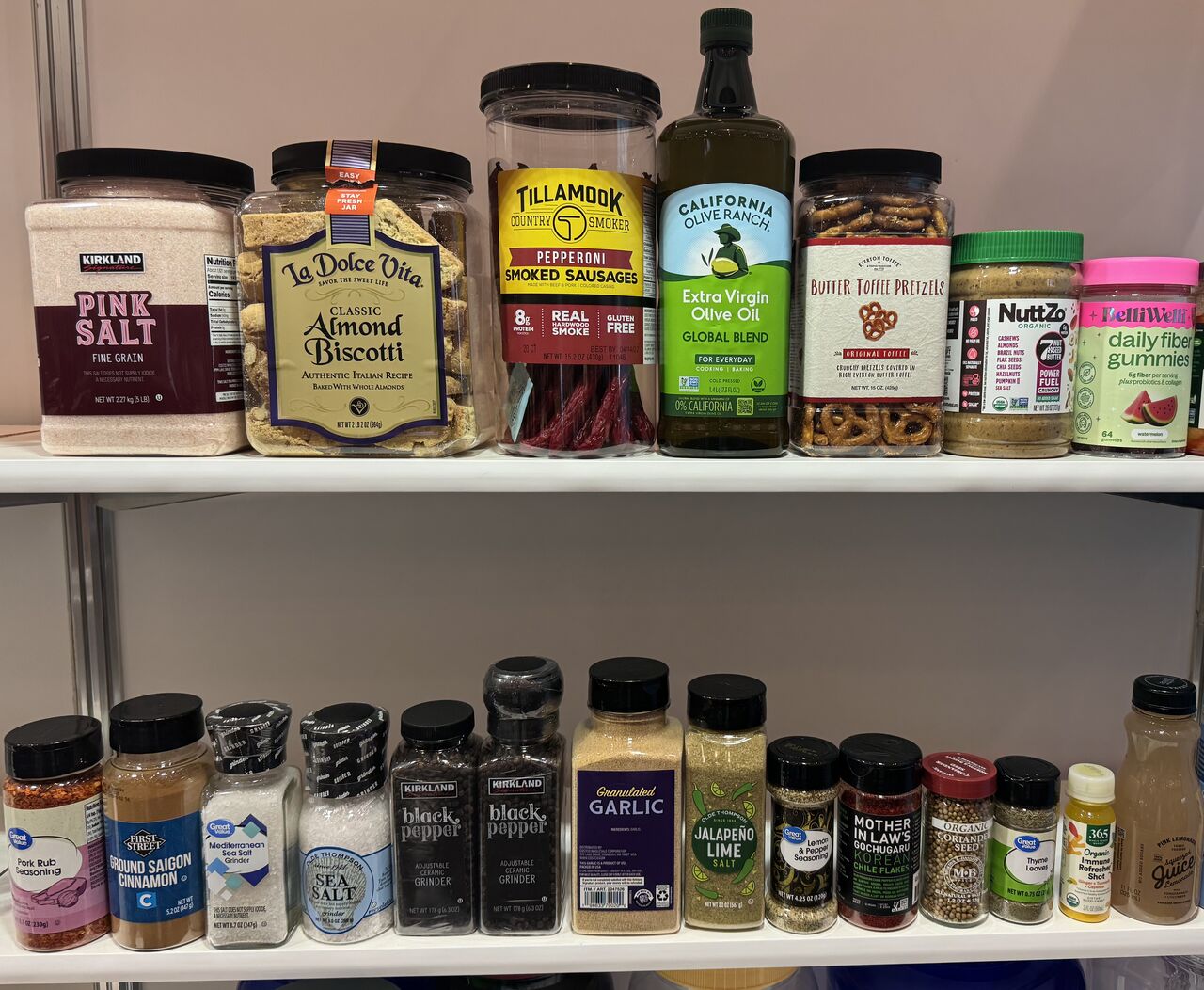
For brands evaluating packaging suppliers in 2026, the questions are getting sharper. Recycled content commitments. EPR readiness across multiple states. Lead-time resilience through tariff and resin volatility. Traceability that survives a regulator or retailer audit.
Plascene’s structure is built for those questions specifically. The in-group supply chain — rPET resin from DUYTAN, molds and tooling from MIDA, automation from PLENMA, all feeding into the Oxnard manufacturing hub — has held more than 30% rPET content across the product base for three consecutive years. Lead times stayed stable while competing suppliers scrambled to source recycled resin on the open market.
The conversations at APS confirmed what we already saw in our pipeline: brand teams are tired of suppliers who can’t explain their own supply chains under pressure. The opportunity for Plascene isn’t to outspend the bigger players on marketing — it’s to be the supplier that can actually answer the hard questions when they’re asked.
Three Patterns We’re Taking Home
A few patterns emerged across the conversations we had at APS that are worth flagging for any brand operator thinking about packaging strategy in 2026.
1. The Diligence Gap is Widening
The gap between marketing claims and supply chain reality is widening, not narrowing. Brand teams know it. They’re asking sharper diligence questions than they were even two years ago. Suppliers who can’t answer with specifics — facility locations, recycled content sources, verification documentation — are getting filtered out earlier in the conversation.
2. “Made in USA” Needs a Definition
“Made in USA” matters, but the definition matters more. Brands evaluating domestic manufacturing aren’t just looking at where the bottle is blown. They’re looking at where the resin comes from, who controls that supply, and what happens to the recycled content guarantee when global markets shift. The packaging buyers who understand this are no longer satisfied by surface-level domestic credentials.
3. Packaging is a Willingness-to-Pay Lever
In nutraceuticals and functional beverage especially, packaging is being recognized as a willingness-to-pay lever — not just a cost line. The brand teams we spoke with are increasingly aware that the bottle is the first physical signal a consumer receives, and they’re starting to allocate budget accordingly.
The Brands We Saw on the Floor
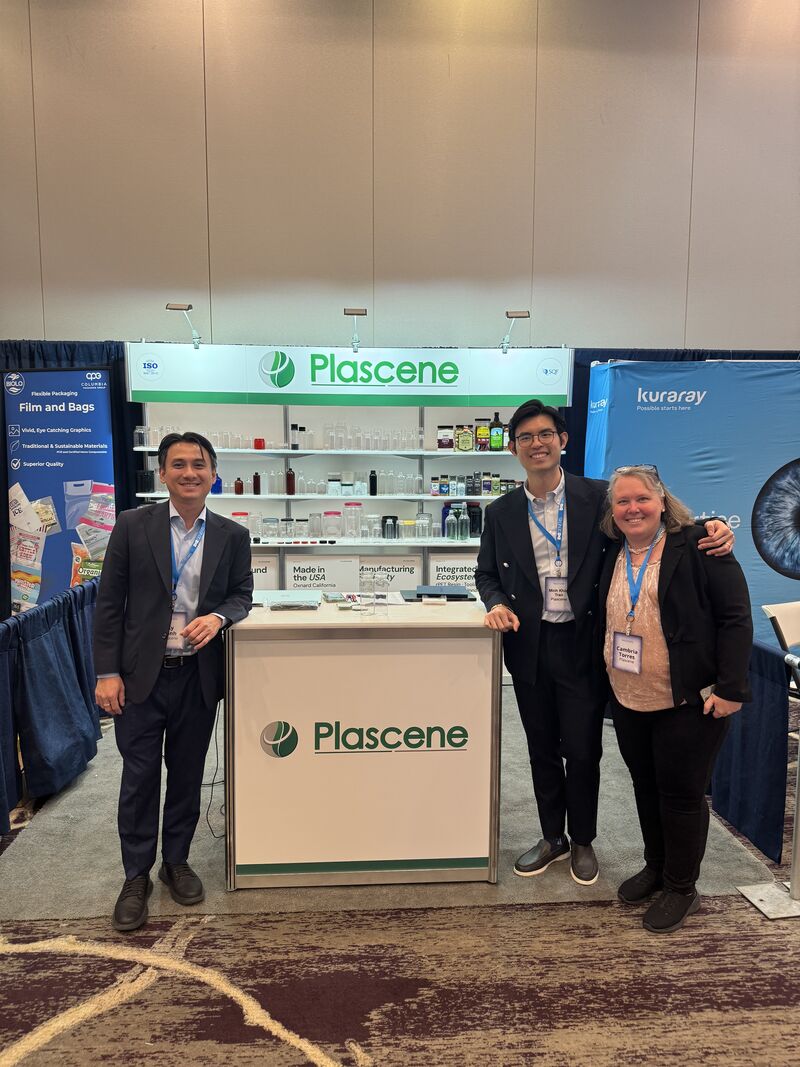
Walking the floor at APS, the categories of brands evaluating sustainable packaging mirrored what we see in our own pipeline: premium nutraceuticals, functional beverages, condiments and shelf-stable food, personal care. The brand teams asking the sharpest questions weren’t the biggest companies — they were the operators close enough to production to know exactly where their current packaging strategy was failing them.
That’s the audience APS attracts. And it’s the audience Plascene is built to serve.
Thank You
To everyone who stopped by the Plascene booth, joined us at the reception, or shared what you’re working on — thank you. The Vietnamese Espresso Martini was a small gesture. The conversations meant more than any sponsorship.
The reason to be at a summit like APS isn’t to deliver a pitch. It’s to listen to what’s actually happening in the market right now, from the people building the brands and operating the lines. APS 2026 delivered that — and we’re already looking forward to next year.
CONTINUE THE CONVERSATION
Looking for a packaging supplier who can actually answer the hard questions?
Explore Plascene’s rPET bottle and container portfolio at plascene.com, or reach out directly through our contact page.


SupplySide Global 2026 – Let’s build packaging that’s ready for 2027

PET Cosmetic Bottles: When Shape Meets Function Across the Beauty Shelf
