


Plastic Bottles with Caps: 5 Quality Standards in Manufacturing


For procurement managers in the pharmaceutical and food industries, sourcing packaging is not just about finding a container; it is about finding a complete storage system. A bottle without a perfectly matching cap is a liability waiting to happen.
When searching for plastic bottles with caps, the risk of leakage, contamination, or poor “neck finish” compatibility is a constant concern. That is why choosing a manufacturer that controls the entire production process – from raw material to the final closure – is critical for your brand’s reputation.
Plascene goes beyond basic molding. Here are the 5 manufacturing standards you should look for to ensure your products remain safe and secure.
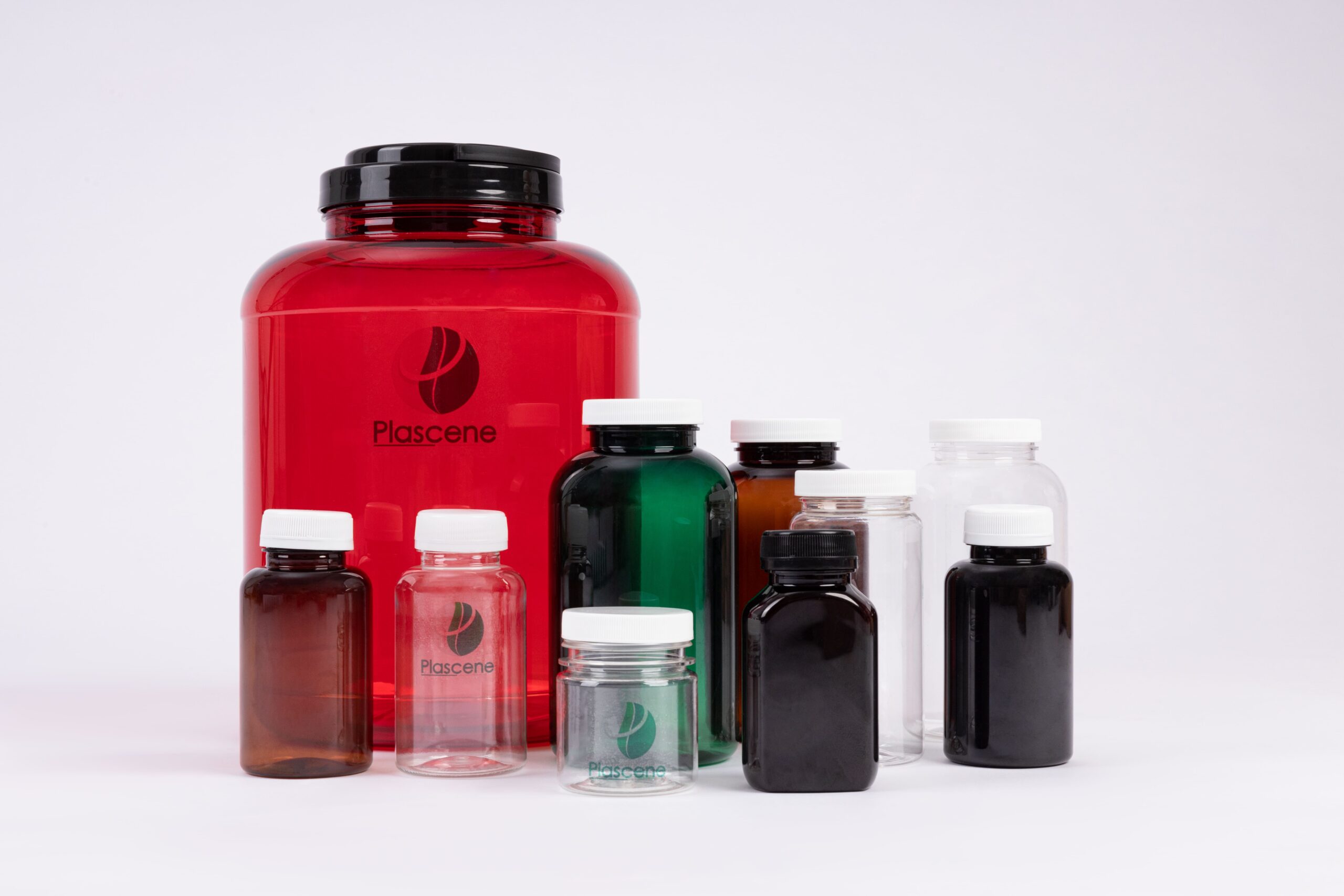
Material Traceability: Virgin and rPET Safety
The first step in how plastic bottles are manufactured involves the strict selection of raw materials. In the pharmaceutical and food sectors, material purity is non-negotiable.
Whether you opt for high-grade Virgin PET for crystal-clear aesthetics or rPET (Recycled PET) for sustainability, the standard remains the same: complete traceability.
-
Understanding the Codes: You might ask, “Is 7 plastic safe?” or “What does 5 mean on plastic bottles?” A reputable manufacturer ensures that all materials – whether Code 1 (PET) or Code 5 (PP) – meet FDA or relevant food-grade standards before entering the production line.
-
Sustainability without Compromise: If you are considering eco-friendly options, read more about Why Use rPET Plastic for Packaging to understand how we maintain purity even in recycled materials.
Precision Engineering for Plastic Bottles with Caps
A common issue when sourcing bottles and caps from different suppliers is the “tolerance gap” – millimeter differences that cause leaks.
High-quality manufacturing utilizes precise injection molding to create consistent neck finishes. This is not just a claim; it is a measurable standard.
-
Leak-Proof Performance: According to industry quality benchmarks, a standard variation of just 0.05mm in the neck thread can lead to a torque failure rate of over 3%. We aim for stricter tolerances to ensure airtight integrity. (Based on general Injection Molding Tolerance Standards ISO 20457).
-
Integrated Solution: When you order Preform & Closure solutions from a single source, the cap interacts seamlessly with the bottle threads.
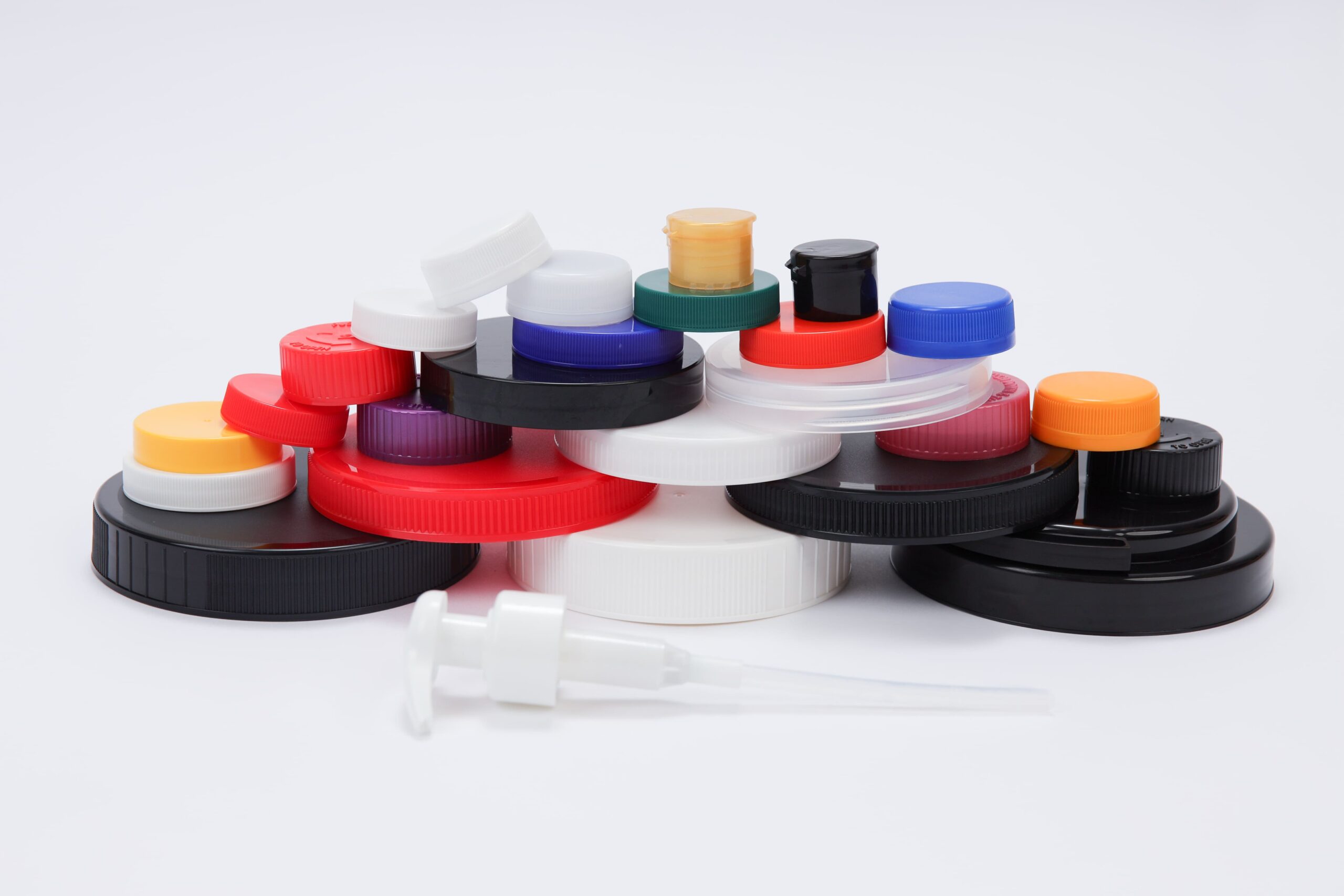
Consistency & Scalability: From 10K to 500K Units
Consistency is what separates a small workshop from a professional plastic bottle factory. Industrial clients need to know: “Can you scale from a pilot run to mass production without a drop in quality?”
-
Scalability: Whether your Minimum Order Quantity (MOQ) is 10,000 units for a market test or 500,000 units for a national launch, our automated lines adjust to your demand.
-
Automated Inspection: We utilize Vision Inspection Systems that check 100% of the output. While manual checks capture visible defects, automated systems detect microscopic flaws, ensuring a standard Defect Parts Per Million (DPPM) that meets global pharmaceutical expectations.
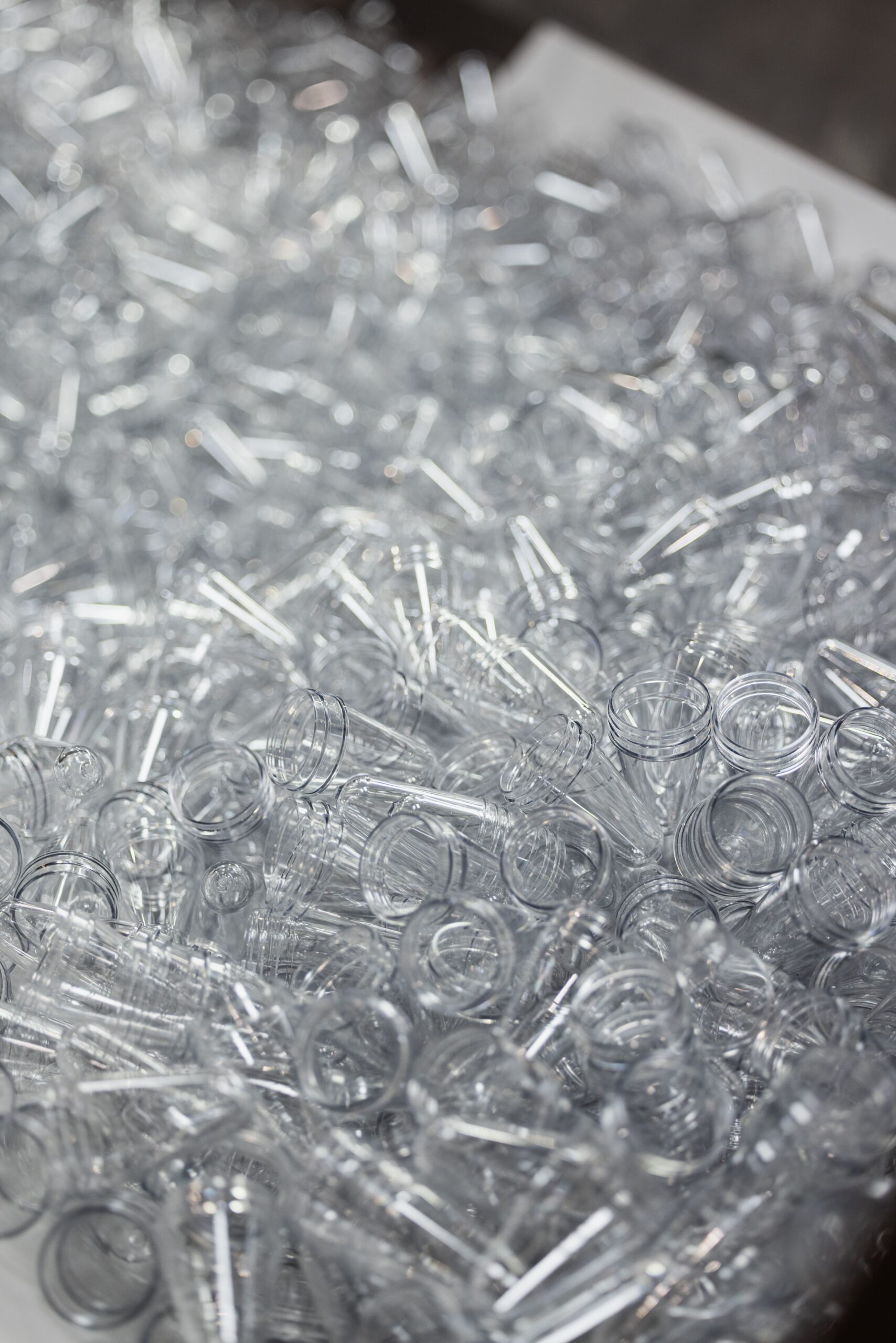
The “Hidden” Audit: Why Other Factories Fail These Standards?
Not all plastic bottle manufacturers are created equal. When auditing potential suppliers, procurement teams often find discrepancies that look minor on paper but are costly in production. Here is why some factories fall short:
-
Mismatched Tolerances: Many factories outsource their caps. This leads to slight deviations between the bottle neck and the closure, resulting in leakage during transit.
-
Inconsistent Wall Thickness: Without advanced blow-molding controls, bottles may have thin spots (weak points). This causes the bottle to collapse (paneling) during labeling or stacking.
-
Lack of Traceability: Low-cost suppliers often cannot provide full documentation (COA – Certificate of Analysis) for their resin batches, posing a compliance risk for pharma brands.
Takeaway: Always ask for a full compatibility test report between the bottle and cap before signing a contract.
Pharma-Grade Protection & Customization
For medical and wellness brands, packaging is a shield. Especially for Pharmaceutical Packaging, the standards are elevated.
However, safety does not mean boring design. Top-tier manufacturers offer versatile options for pet plastic bottles:
-
Color Matching: Amber, blue, or custom brand colors to protect light-sensitive ingredients.
-
Custom Molds: From embossing logos to unique shapes. Learn more about our capabilities in our guide on How to Choose Plastic Bottle Manufacturer Options.
Conclusion
Choosing the right manufacturing partner is a strategic decision. It is not just about buying plastic bottles with caps; it is about investing in supply chain efficiency and brand integrity.
Don’t let packaging defects compromise your product launch.
Request a Technical Consultation & Sample Kit(Speak with our engineers to verify compatibility for your specific product line)
Comment


Other articles

rPET Plastic for Food-Grade Packaging: How Closed-Loop Sourcing Eliminates Supply Chain Risk
Beyond Sustainability: Ensuring Supply Chain Reliability…

HDPE vs PET: Which Plastic Bottle Material is Right for Your Product?
One material choice. Thousands of dollars in impact. For…

The Comprehensive Guide to Sourcing Plastic Peanut Butter Jars Wholesale in 2026
In the roadmap of optimizing food supply chains within the…